
Buying a car isn’t just about how it looks or drives. Accident history plays a bigger role than most people think. A clean record can keep a Used Car priced high, while even a minor crash can knock off thousands. If you know what to look for, this info can actually help you negotiate a better deal instead of overpaying.
Why Accident History Matters in a Used Car
Not all accidents are equal. A small fender bender is one thing. Structural damage? That’s a whole different story. When a Used Car has been in a serious accident, its frame, alignment, or safety systems might not be the same – even if it looks fine on the outside.
Buyers in the U.S. often rely on vehicle history reports, but those don’t always tell the full story. Some repairs go unreported. That’s where things can get tricky.
How It Impacts Used Car Value
Here’s the deal – cars with accident records usually sell for 10% to 30% less than similar models with clean histories.
Why?
- Lower buyer trust
- Higher risk of hidden damage
- Reduced resale value later
If you’re checking out a used car for sale, this is your leverage. Spotting past damage (or confirming it) gives you solid ground to negotiate. Sellers know it too, even if they don’t say it up front.
Spotting Hidden Damage Before You Buy
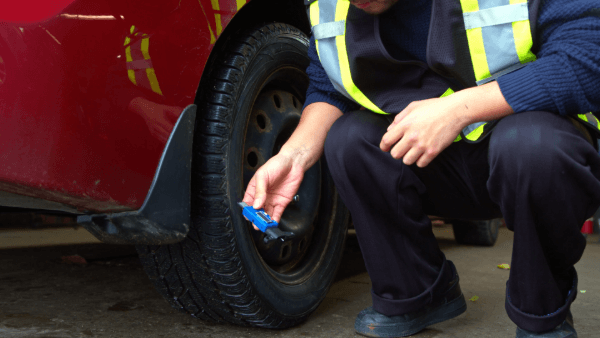
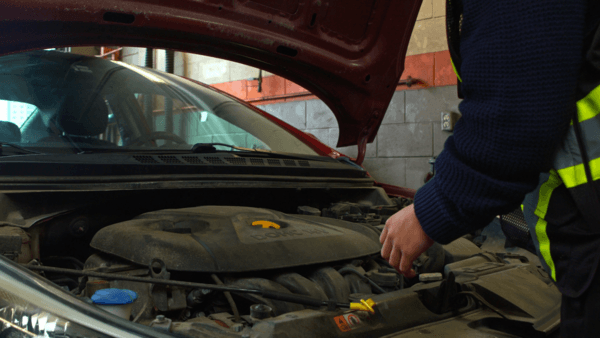
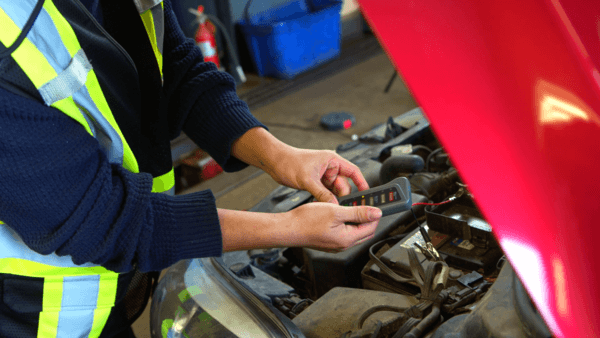
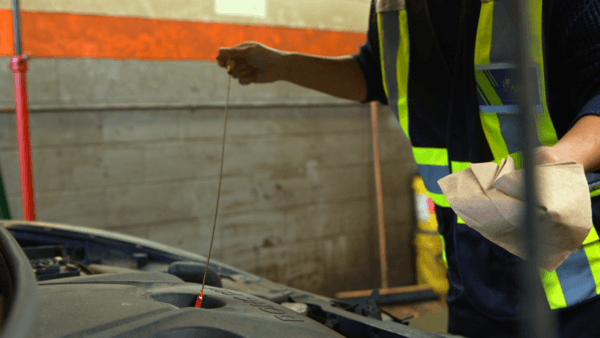
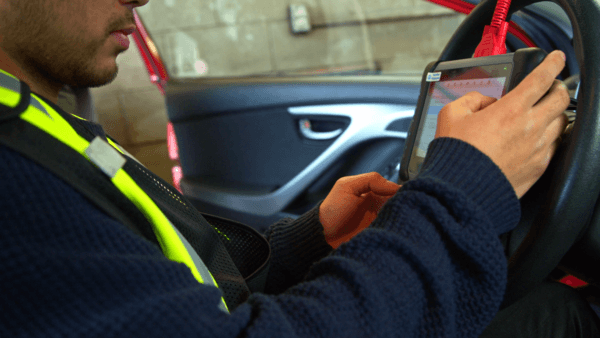
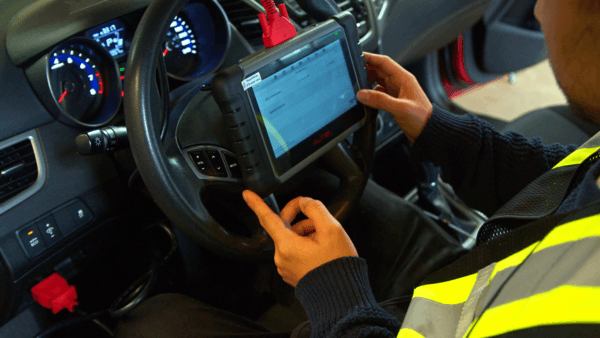
A proper used car inspection can reveal things you’d never notice on a quick test drive. Uneven panel gaps, paint mismatches, or weird tire wear are all red flags.
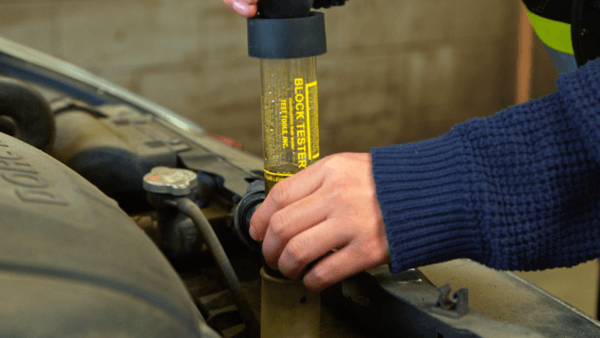
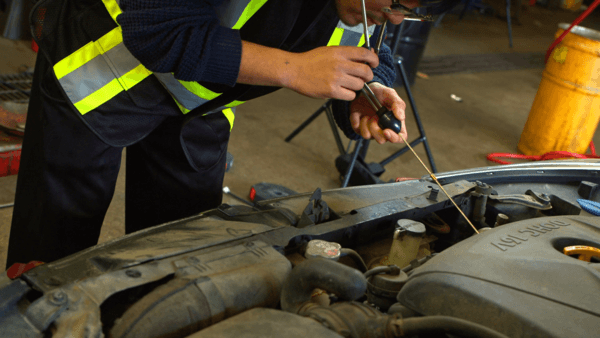
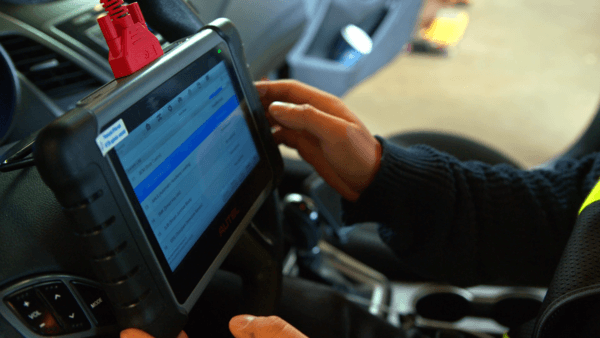
Better yet, go for a pre buy car inspection done by a professional. They’ll check the frame, suspension, and safety systems in detail. It’s not just about peace of mind – it’s about knowing exactly what you’re paying for.
Also Read –What Happens If a Car Fails a Pre Buy Vehicle Inspection?
Get the Right Inspection Before You Commit
At the end of the day, accident history isn’t always a dealbreaker, but not knowing it is, which is why getting an inspection is a must before buying. The good news is, you don’t have to look around for inspection services. We offer detailed pre-purchase inspections across the U.S., covering over 300 checkpoints.